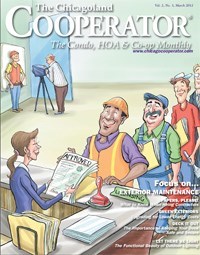

Green Exteriors
More often than not, when boards or associations broach the issue of their
buildings “going green,” images of bamboo flooring, hemp drapes, or solar panels on the roof suddenly
spring to mind. The impression seems to be that in a condo, green upgrades are
difficult and costly—if not impossible—to do.
Read More
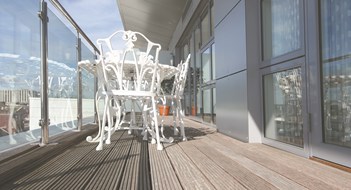
Deck it Out
When you consider all the different exterior components that a condo association
has to deal with, decks are sort of like the Rodney Dangerfield of the list—they rarely get any respect.
Read More
Let There Be Light
There was a time when most large residential developments relied on glaring
floodlights to brighten parking lots, front porches and entryways. Today, there
is more to exterior lighting than just chasing shadows away and discouraging
crime. Lighting is now a deliberately thought-out part of residential community
design, with a lasting impact on value.
Read More
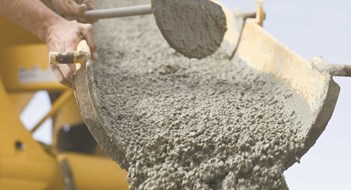
Concrete Concerns
In Chicago, urban high-rises with sidewalk frontage and suburban HOAs containing
walking paths, parking lots, and service roads are reliant on their paved
surfaces for conducting their everyday business. Therefore, it's crucial that
buildings and associations regularly inspect and maintain their concrete.
Read More
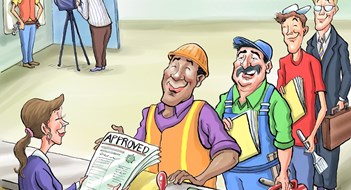
Papers, Please!
Just think about this—you go to a doctor’s office for the first time and, hanging on the wall is an empty frame where his
medical degree should be. You question him about it and he tells you, sure, he
graduated from med school. He's totally qualified to wield a scalpel and
prescribe drugs. But there’s no proof. At this point, you probably get off the examination table and head
out the door. After all, with no degree, you probably wouldn’t let him take care of you. It could cost you your life.
Read More
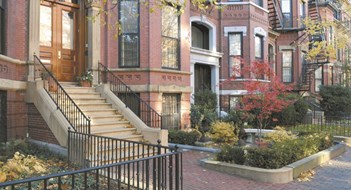
Curb Appeal
As the old saying goes, you never get a second chance to make a first
impression, and for homebuyers, that first impression is almost always the view
from the street. No matter how deluxe the accommodations inside, if the property’s exterior is less than desirable, a buyer’s mind is often made up before they enter the front door—if they even bother to go that far.
Read More
What's In Your Wallet?
In these times of economic uncertainty, nothing is more important than planning
for a rainy day, especially when that rainy day might involve repairs to
multimillion dollar buildings. That is one of the many reasons why having an
adequate reserve fund is so integral to the fiscal health of any condominium or
co-op community. While it seems like a monumental task to get a detailed
analysis of how much money needs to be saved each year to pay for boiler
repairs or façade replacements five, ten or even 30 years down the road, the ability to plan
far in advance can prevent a lot of problems for boards and residents alike.
Read More
Chicago's Building Services Trade Unions
He makes sure you feel safe and secure in your Lincoln Park condo building. He
is the building engineer who fixes your bathroom leak. She is the reason you
receive your important mail on time. These folks are part of the thousands of
unionized service workers in Chicago, many of whom work in the city's
multifamily condo communities. Two unions in Chicago—SEIU Local 1 and IUOE Local 399–represent workers from a variety of fields including janitors, security
officers, stadium and theater workers, doormen and resident managers, chief
engineers, superintendents and maintenance workers.
Read More
Q&A: No Attendance?
Our association holds monthly meetings on the same time, day and location every month. Notices are posted in the elevators and common areas one week in advance yet no one attends. If binding votes are required to be in the presence of owners in an open meeting, what happens when there are no attendees? Can the board still conduct business as usual even if there are not any owners present? Please advise. Read More
Q&A: Regulating Vehicles On-Site
When I moved into my condo the bylaws said that vehicles are limited to standard motor cars (no boats, no trailers, no motor homes and no commercial vehicles). That was in 2004 and I have a pickup truck and my wife has a SUV. When we moved in, our property was being managed by one property management company. Now seven years later, a new property management company has taken over and they sent us a letter stating that the vehicle restrictions are: (no trucks, pickup trucks, vans with sliding slides, recreational vehicles (RV's), trailers, motorcycles, or commercial vehicles of any kind), unlicensed or inoperable vehicles are not permitted to park on the association property. My question is can the property management make this kind of change that affects people who had a vehicle that was okay when the condominium was bought? Read More